
Quick answer
The source creator places 343 Guilty Spark and Keyes in S tier; Pillar of Autumn, Assault on the Control Room, Two Betrayals, and The Maw in A tier; and Halo, Truth and Reconciliation, The Silent Cartographer, and The Library in B tier. These are subjective comparison notes, not an official ranking.
Guide briefing
Halo Campaign Evolved Mission Tier List: All 10 Remade Levels Ranked
This page preserves one creator's complete ranking and makes the criteria readable without the video. The useful question is not whether a letter grade is universal, but which mix of pacing, AI, atmosphere, additions, and cutscene choices matters to your own replay order.
Before you start
- — Expect mission and presentation spoilers for the full main campaign
- — Treat each placement as the source creator's opinion rather than an official score
- — Use the original-versus-remake comparison as the shared baseline for every tier
Applies to
- — The ten remade main-campaign missions in Halo Campaign Evolved
- — Readers comparing the remake's missions with their Halo: Combat Evolved originals
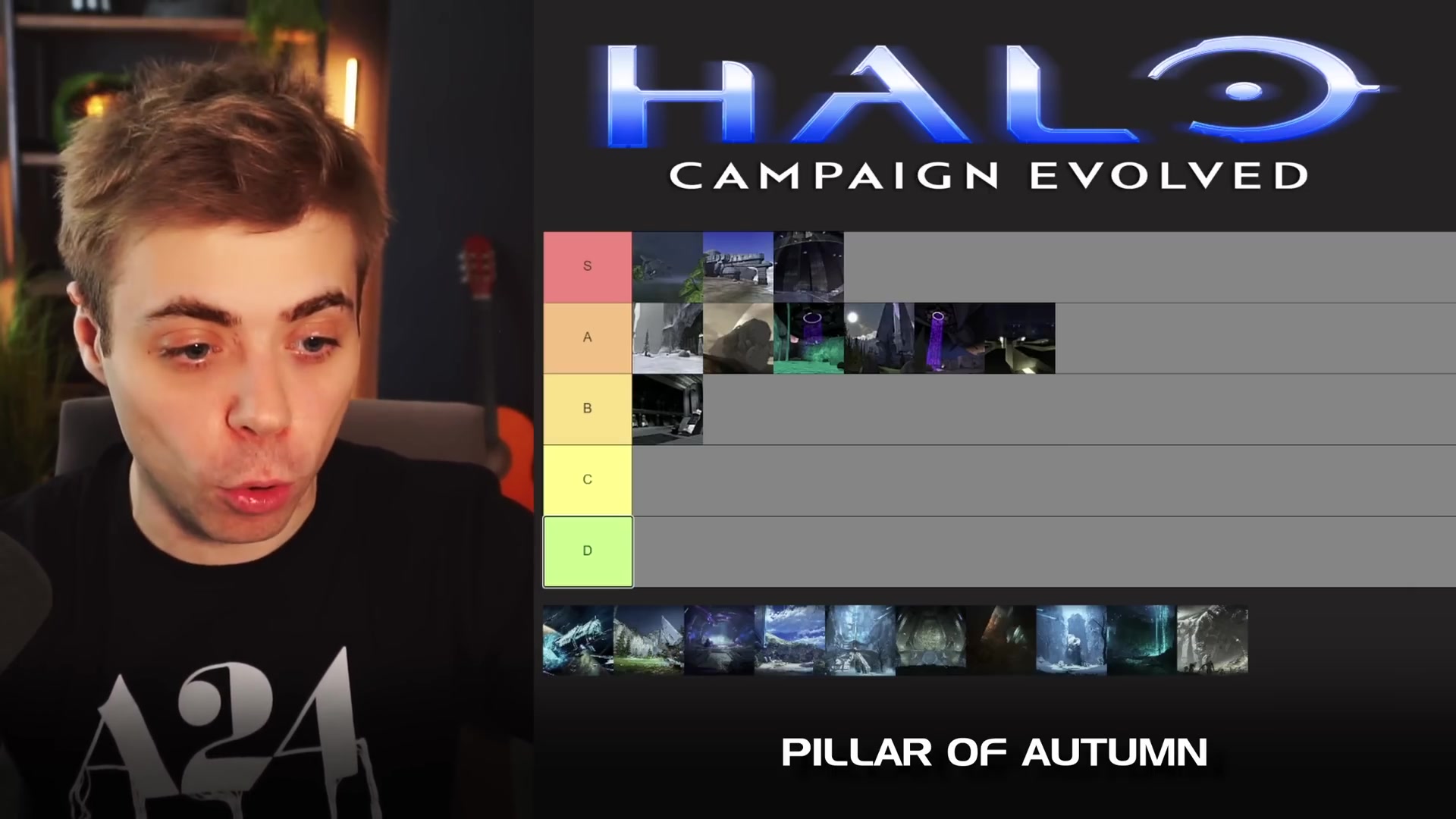
A tier — The Pillar of Autumn
The creator places the remake slightly behind the original but still close to it. The expanded naval battle and outdoor material better realize the ship under attack, while removed vehicle-bay imagery and awkward bridge, lifepod, and Johnson cutscene pacing keep it below the source's original placement.
How it works
- Judge the remake first on what its added exterior battle contributes to scale and urgency.
- Then compare the armory opening and later cutscene transitions with the original, noting what was removed and whether the new rhythm works for you.
Source boundary: The source calls the two versions very similar overall; the A-tier distinction depends heavily on presentation preferences.
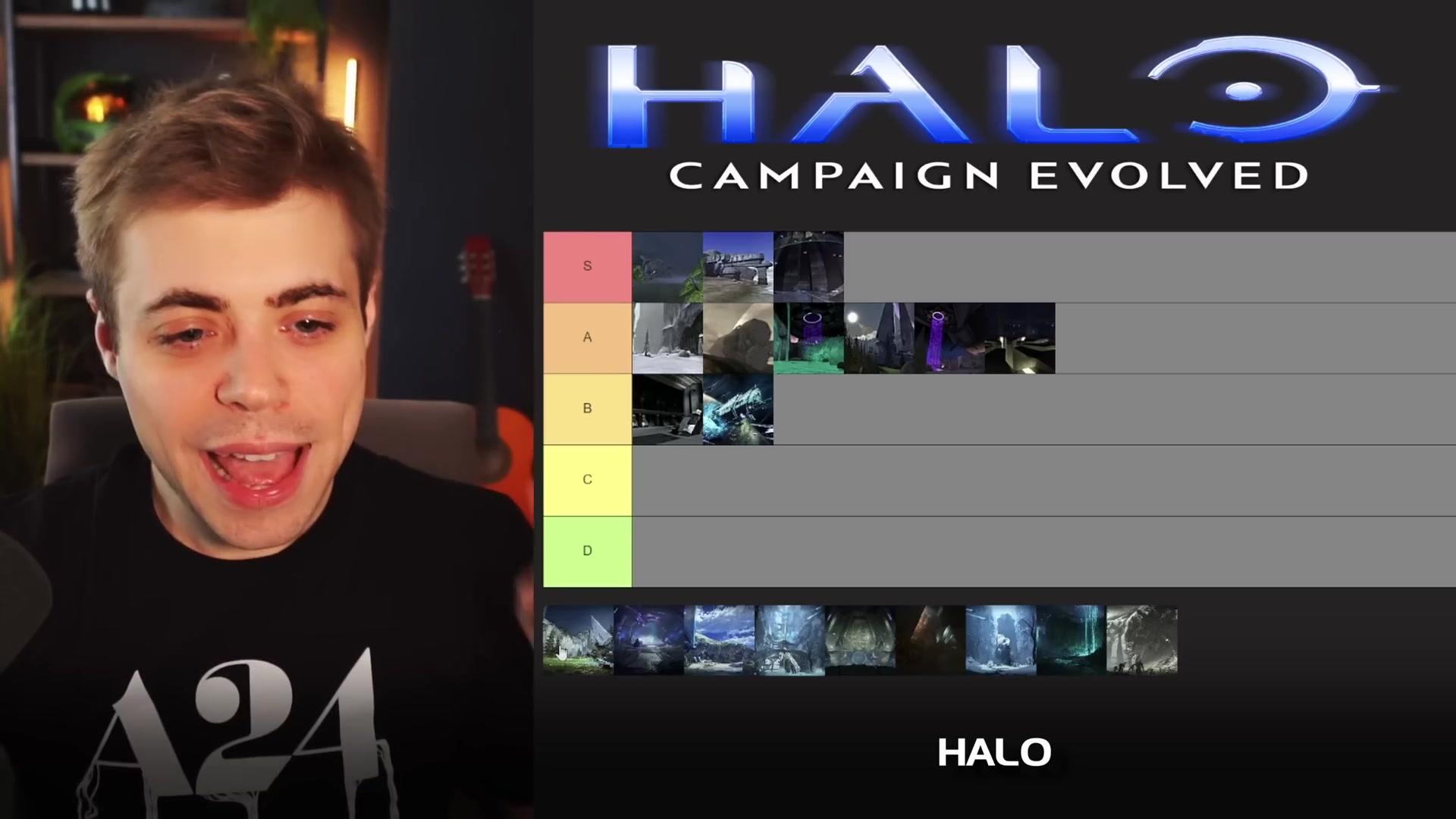
B tier — Halo
The source praises the remake's grasslands and stream but ranks the mission below the original because it does not broaden the open area, add the hoped-for wildlife, or create more varied Marine-rescue objectives. Moving the first Forerunner bridge interaction into gameplay also weakens its sense of wonder for this reviewer.
How it works
- Separate the visual upgrade from mission-design expansion: the scenery scores well, while the route and objectives remain conservative.
- Compare the bridge sequence in both versions and decide whether direct control or a framed cinematic better communicates the discovery.
Source boundary: The missing wildlife and larger objective space were expectations stated by the creator, not promised features measured by this guide.
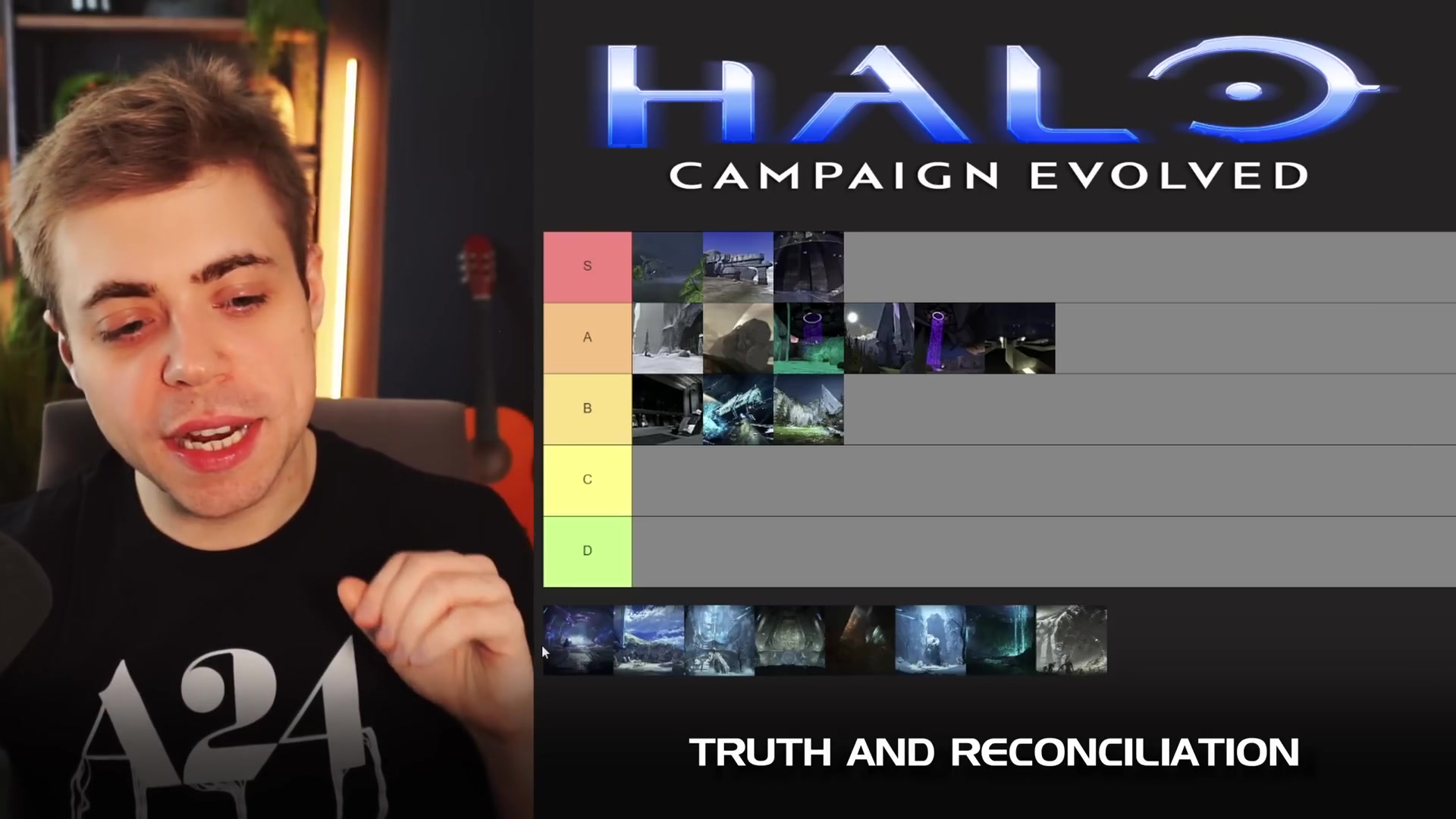
B tier — Truth and Reconciliation
The ship interiors, mesa, red Pelican lighting, and noir tone earn praise, but the source sees weaker Covenant AI, removed Marine banter, a shortened lift respite, and the missing Keyes failure state as losses to tone and tension.
How it works
- Compare the exterior and Covenant-ship lighting before judging the remake's atmosphere.
- Track the grav-lift banter, the pacing pause before entering the ship, and the rescue's failure pressure to see why the creator lowers the grade.
Source boundary: The source notes that removing the Keyes failure state can be welcome during LASO, even while viewing it as a loss on ordinary difficulties.
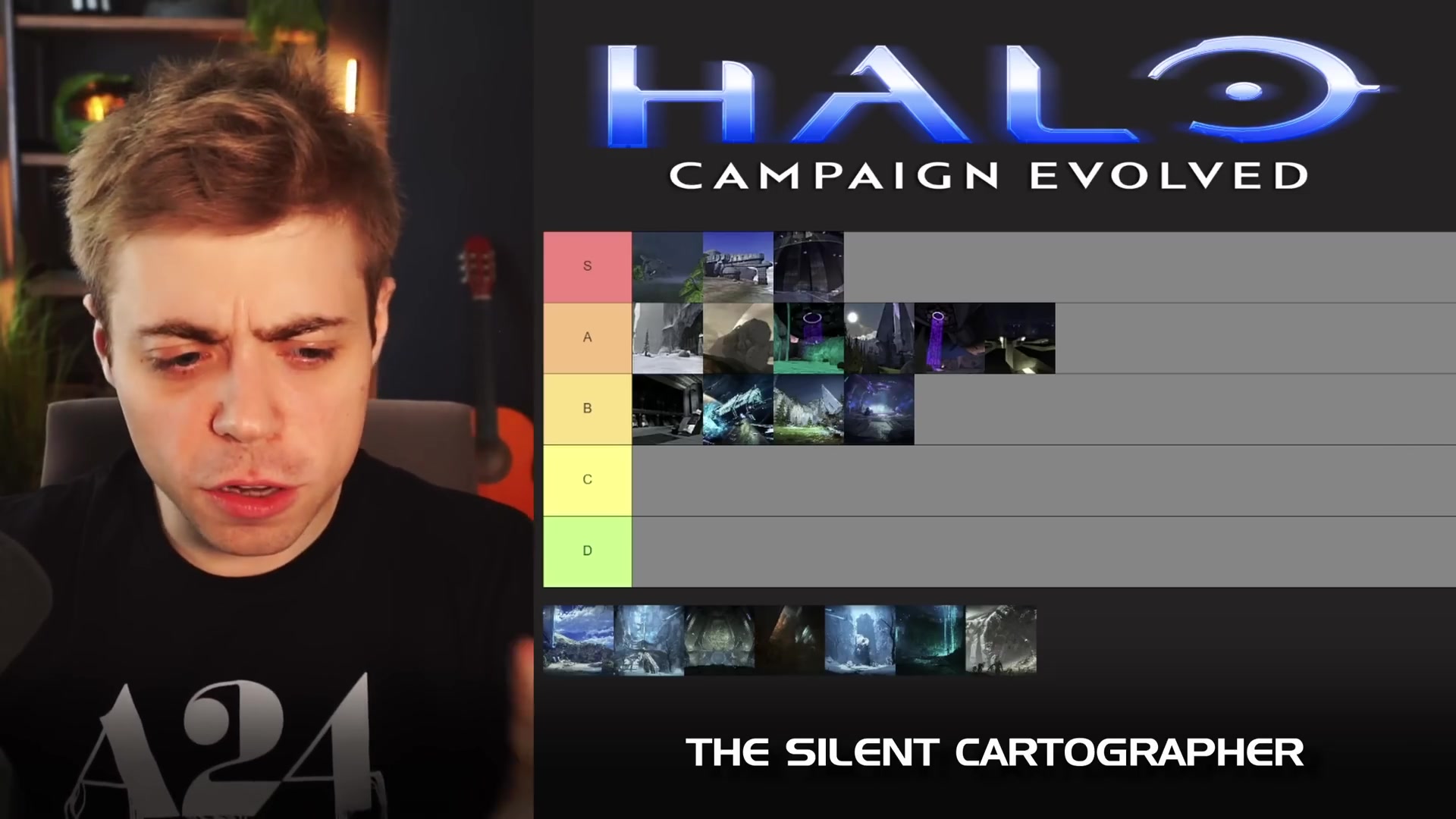
B tier — The Silent Cartographer
The creator's main objections are the unified, shinier Forerunner style, jarring joins between cinematics and gameplay, lost island-flyover context, and sprint moving too quickly through spaces kept near the original scale. The result is still playable, but it loses the monastic temple feeling this reviewer values.
How it works
- Compare the security substation and underground Cartographer spaces for the architectural mood each version creates.
- Run the lower route with normal sprint use and then without it to judge the source's pacing concern on the unchanged scale.
Source boundary: Sprint is optional, and the source explicitly recognizes that players can decline to use it; the criticism concerns what a new player is naturally encouraged to do.
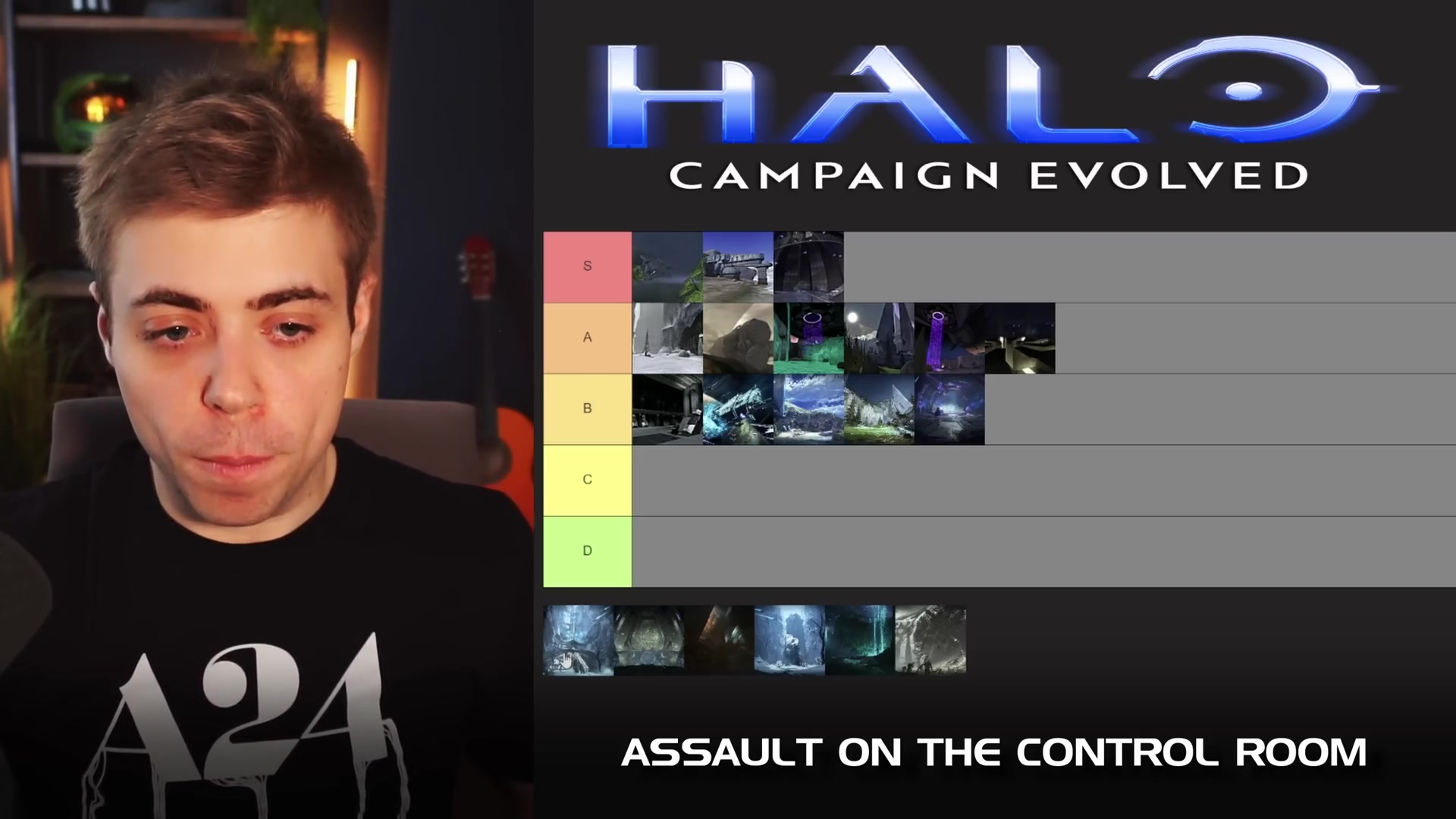
A tier — Assault on the Control Room
Strong vehicle combat, explosive effects, the Scorpion section, and new interior rooms lift this mission to the bottom of A tier. The source balances those gains against shiny Forerunner surfaces and Marine AI that exits the tank with the player and takes too long to reboard.
How it works
- Use the Scorpion route and vehicle explosions as the positive comparison point.
- At underground doors, observe Marine dismount and reboarding behavior, then compare how the added rooms affect repetition.
Source boundary: The creator moved the mission from the top of B to the bottom of A while speaking, showing how close the boundary is.
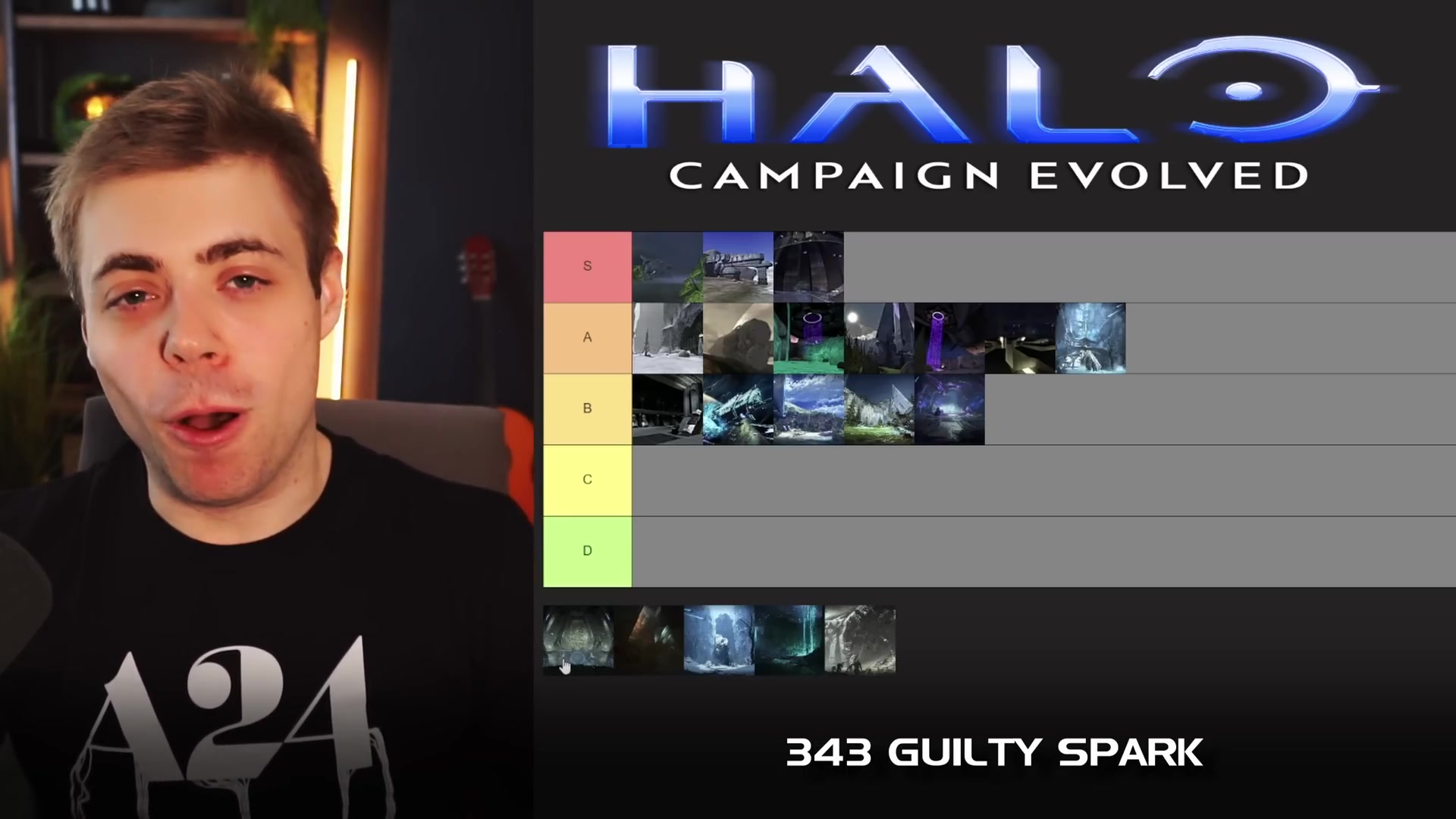
S tier — 343 Guilty Spark
The source calls the swamp lighting, outbreak buildup, environmental storytelling, biomass, bloodier spaces, and Jenkins cinematic exceptional. Less aggressive Flood AI, heavy navigation markers, a shinier interior style, and the petrified Marine's broken-looking aim keep it slightly below the original, but not out of S tier.
How it works
- Evaluate the swamp before the outbreak for lighting, tree design, and the shift from wonder to dread.
- After the Flood appear, compare enemy pressure, navigation guidance, the descending biomass, and the Jenkins scene with the original.
Source boundary: The S-tier grade does not mean every system is better; the creator explicitly ranks the original version a little higher.
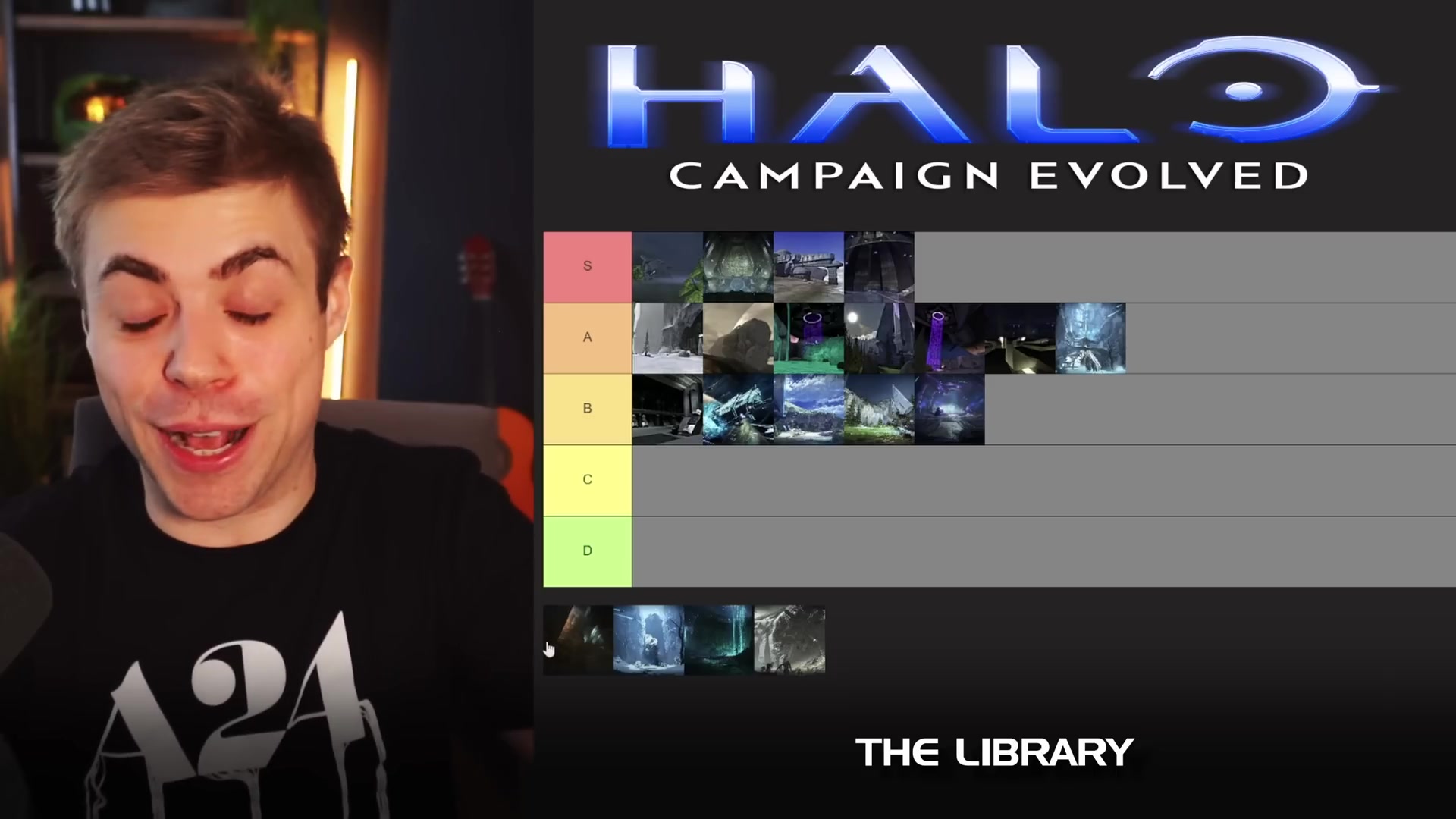
B tier — The Library
The redesigned descent, puzzle rooms, increasing biomass, quarantine-zone opening, and hidden Marvin room make a strong new mission. The creator nevertheless sees it as a weaker replacement for the original Library because it loses the vast haunted-house tone and reduces Flood intensity through AI and encounter density.
How it works
- Read the downward route and growing biomass as the remake's new outbreak narrative.
- Compare room scale, darkness, Flood counts, and the establishing shot with the original before deciding whether reinvention or atmosphere matters more.
Source boundary: The creator openly loves the original Library, so the B-tier judgment starts from a stronger preference for its repetition and haunted-house mood than many players share.
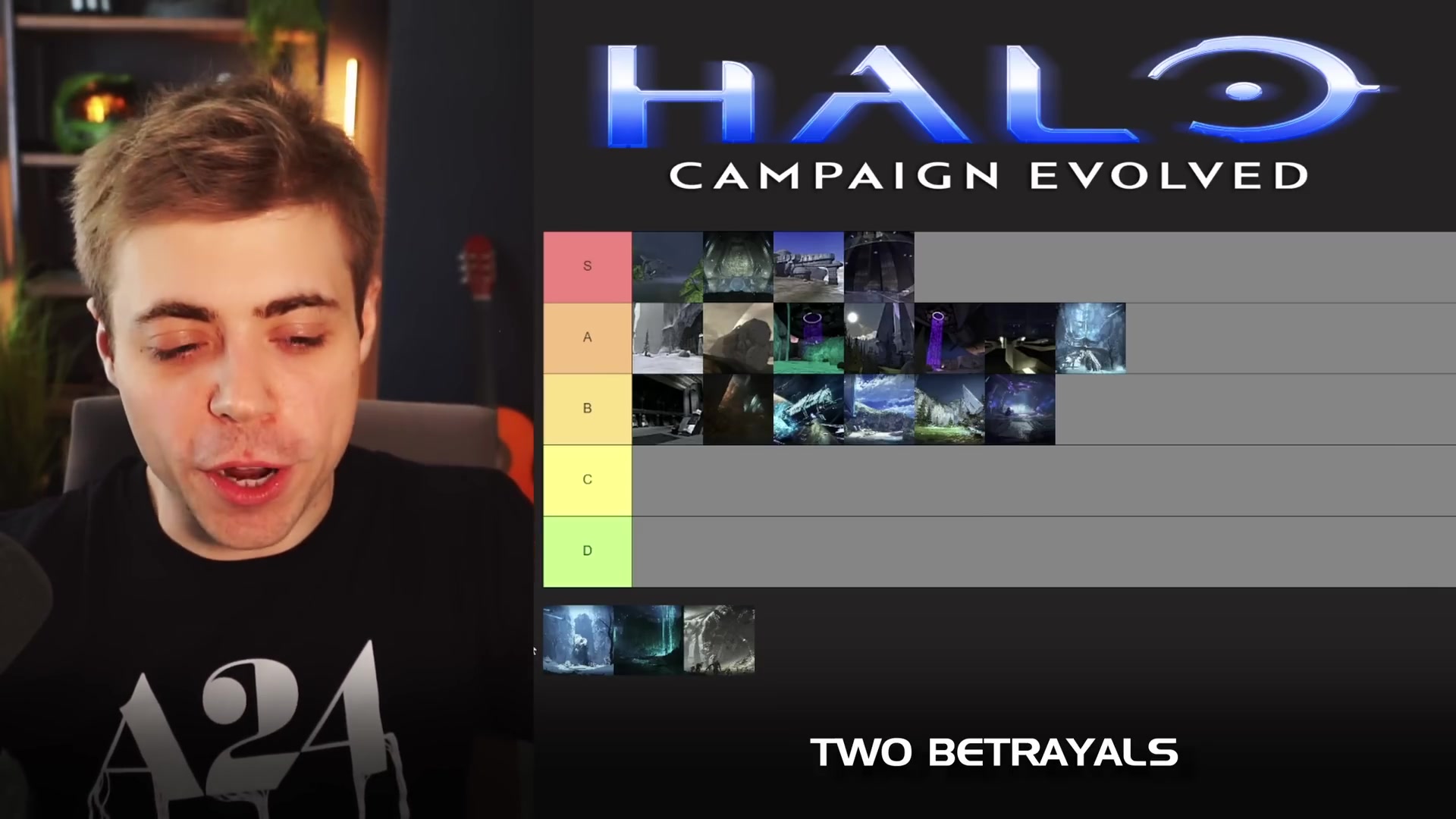
A tier — Two Betrayals
The source ranks this above Assault on the Control Room because the full sandbox still works and new biomass makes the return journey feel contextually different. It also preserves the human-Forerunner implication the creator expected to be changed, though weaker AI and shooting external objects around pulse-generator rooms pull combat away from their centers.
How it works
- Judge how biomass transforms familiar spaces during the backtrack and whether the full sandbox still creates escalating encounters.
- At pulse generators, compare the remake's perimeter targets with the original need to enter the dangerous center.
Source boundary: The source still ranks the original in S tier, so the remake's additions do not erase concerns about AI intensity and generator-room focus.
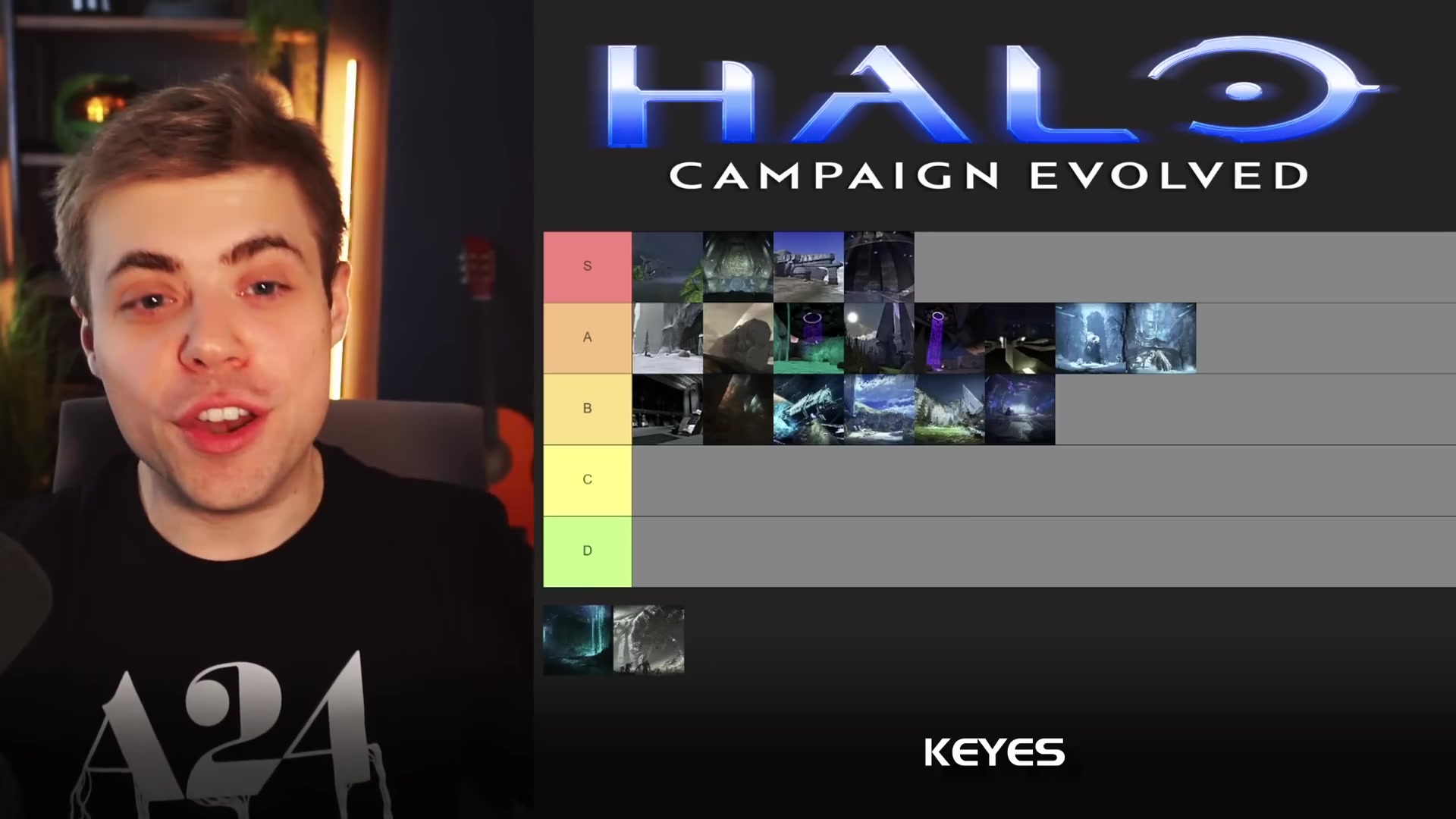
S tier — Keyes
This is one of the few missions the source prefers to the original. The glowing coolant canyon, fire, darkness, progressively biomass-choked ship, Proto-Gravemind detail, Covenant resistance, and strong Keyes-scene lighting build a coherent visual escalation, despite weaker AI, sprint pacing, and an abrupt transition into the final cinematic.
How it works
- Follow the color and lighting progression from the canyon into the increasingly consumed ship corridors.
- Inspect the Proto-Gravemind and the Keyes cinematic, then judge the gameplay-to-cutscene join separately from the scene's framing.
Source boundary: The preference is driven heavily by art direction; the creator still calls out AI and sprint as recurring gameplay deductions.
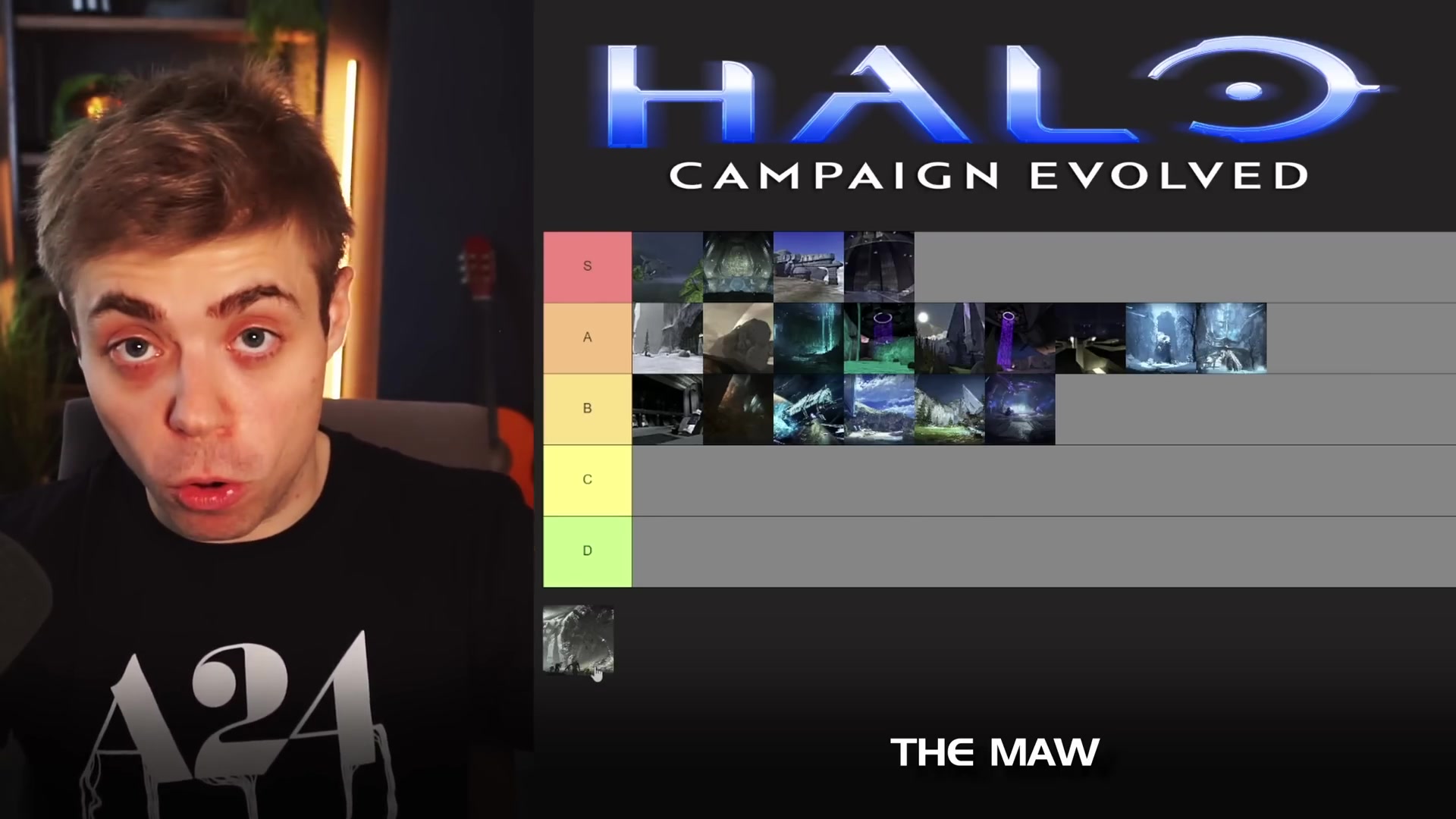
A tier — The Maw
The source puts the remake roughly level with the original and treats the expanded Warthog Run as its standout improvement: it preserves the old route and rhythm while adding the broken ship and a Pelican flyby. Damaged interiors, a maintenance breach, Chief's Banshee quip, and the tank fight add value, while sprint scale, AI, the Longsword redesign, and the less melancholy final shots cost points.
How it works
- Compare the two Warthog Runs for retained landmarks, pacing, the broken-ship gap, and the Pelican moment.
- Then review the damaged interiors and final cinematic, separating the tank fight from Longsword design and closing tone.
Source boundary: The creator briefly considers placing the remake above the original, then settles on parity; the positive verdict is strongest for the Warthog Run rather than every part of the mission.