
Quick answer
The guide focuses on tactical threat assessment, objective sequencing, and hazard awareness in Halo Campaign Evolved—not Steam Deck settings performance.
Guide briefing
Halo Campaign Evolved: Tactical Threat Assessment and Objective Prioritization Guide
The guide focuses on tactical threat assessment, objective sequencing, and hazard awareness in Halo Campaign Evolved—not Steam Deck settings performance.
Applies to
- — Players seeking to improve combat decision-making in Halo Campaign Evolved
- — Newcomers learning core gameplay mechanics through structured guidance
- — Veterans refining situational awareness during high-intensity sequences
- — Players using the game’s audio and visual cues for real-time response
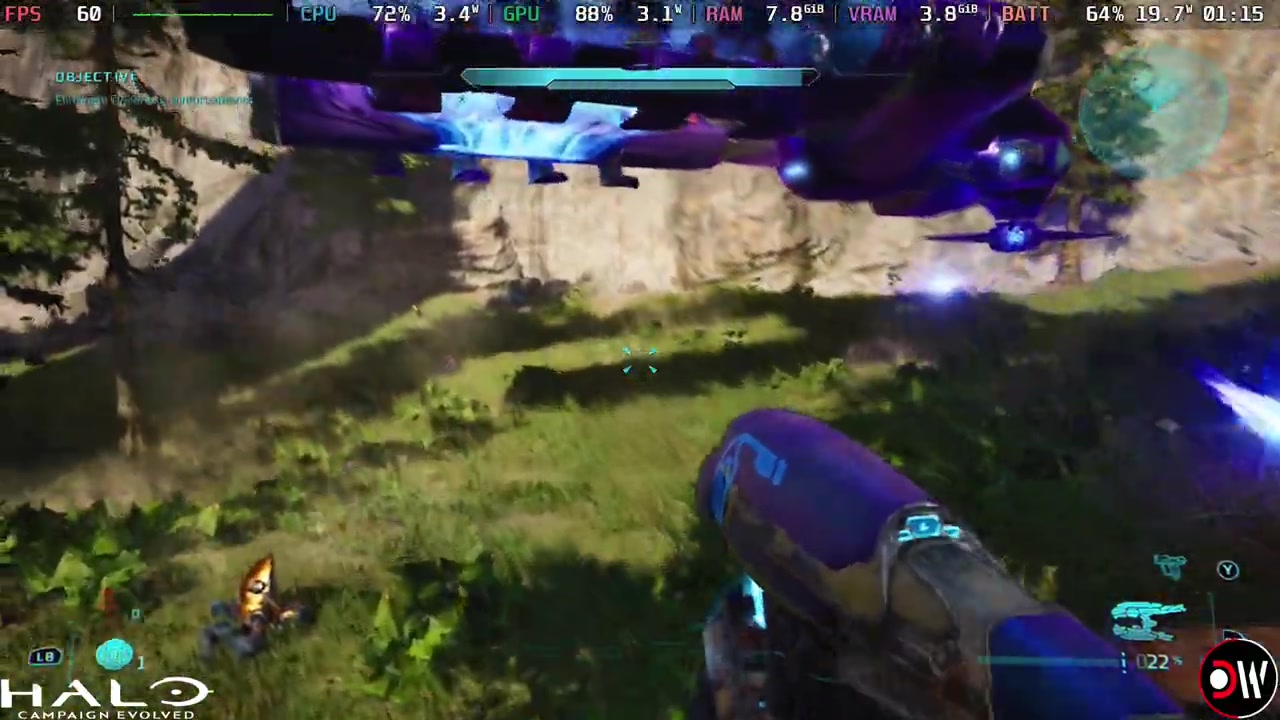
Enemy Threat Layering
The game dynamically introduces multiple threat layers—ground flanking units, aerial reinforcements, and heavy drop ships—requiring layered tactical responses.
How it works
- Ground threats like 'bandits' are identified by immediate visual and auditory cues (e.g., 'another bandit dropping in behind us') and require rapid repositioning or suppression.
- Aerial threats such as 'Jing fork' and 'Heavy drop ships' are announced with escalating urgency ('Heavy drop ships on the way'), signaling a shift from localized to area-wide engagement.
Source boundary: Threats are only explicitly named when they enter the active engagement zone; prior to that, players must infer presence from environmental changes or radio chatter.
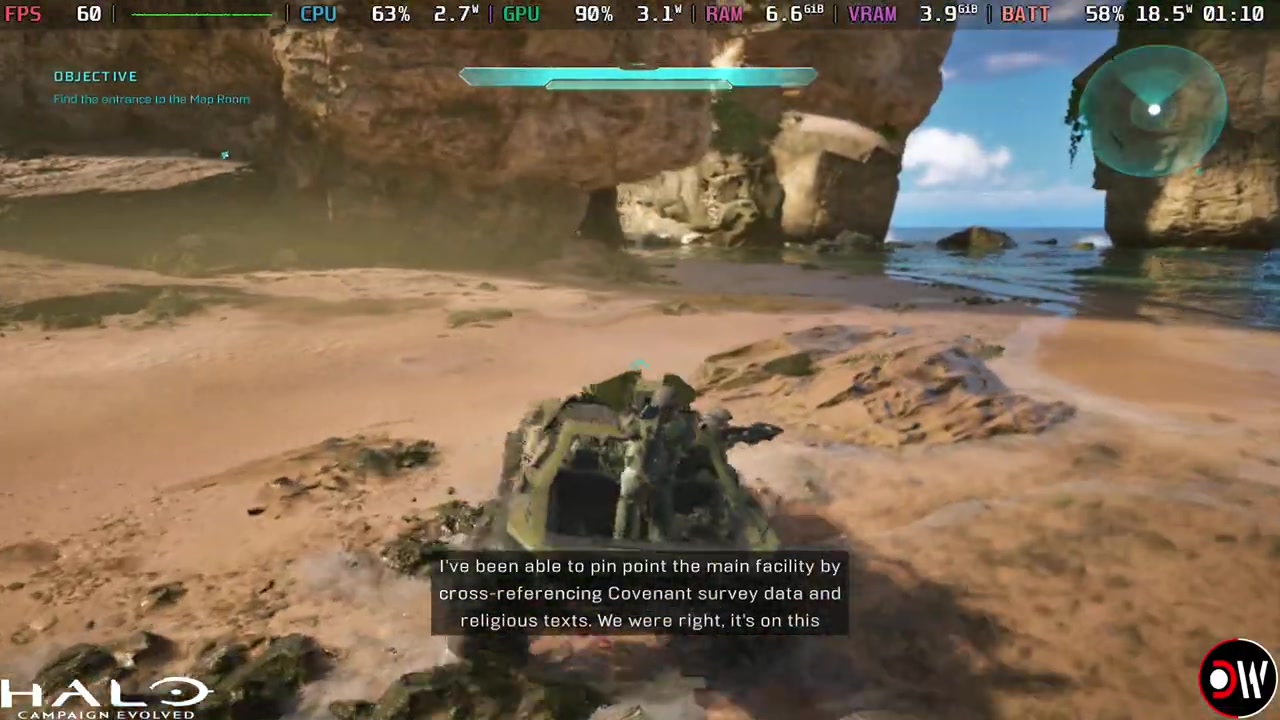
Mission Objective Sequencing
Objectives are presented in a fixed order based on strategic necessity: locate the control center, confirm its location, then breach the facility to prevent enemy access.
How it works
- The player receives a geospatial confirmation ('It's on this island. I've marked the entrance with a nav point') only after cross-referencing external data, ensuring no premature entry.
- Subsequent objectives ('We have to get in there and stop them before they learn a location in the control center') are triggered only after the previous step is completed, enforcing linear progression.
Source boundary: Objective markers are static; if the player deviates from the intended path, the sequence may not auto-update without manual re-engagement.
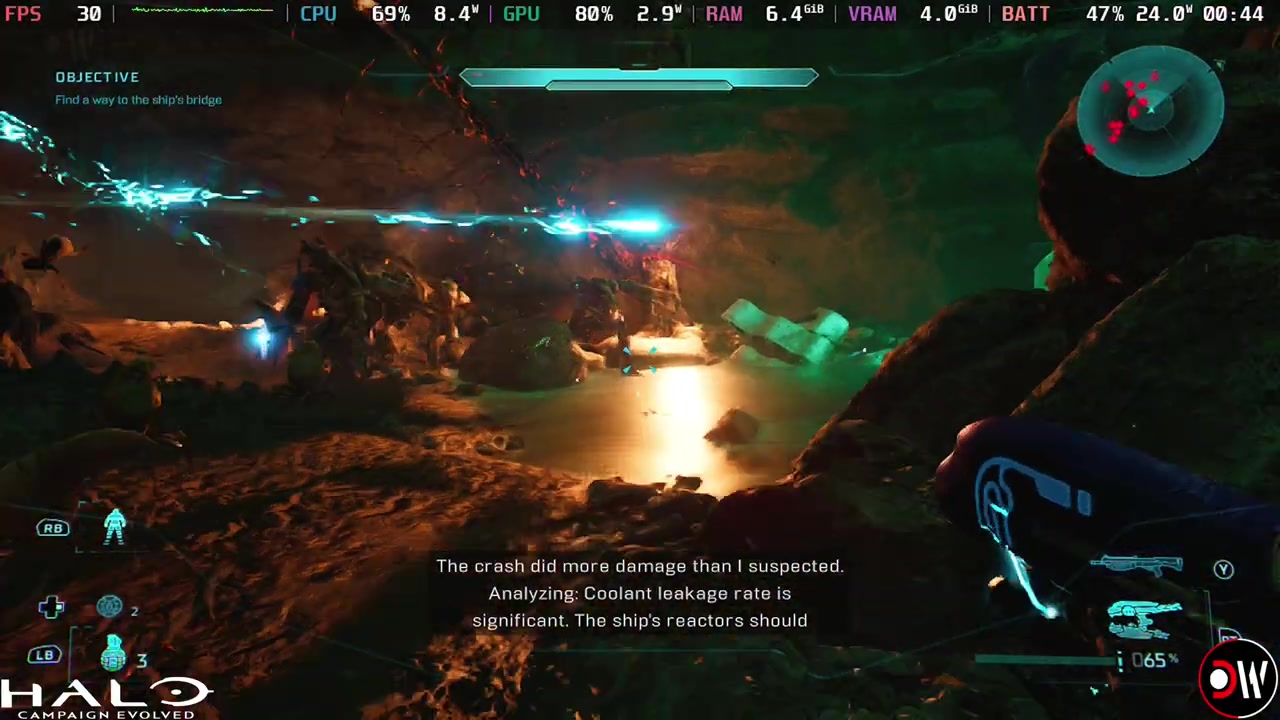
Environmental Hazard Detection
Critical system failures (e.g., coolant leakage, reactor criticality) are communicated through urgent, non-interactive audio alerts, requiring immediate evacuation or mitigation.
How it works
- System diagnostics like 'Coolant leakage rate feels significant' provide real-time feedback on structural integrity, allowing players to assess risk levels.
- Procedural warnings such as 'The ship's reactor should already have gone critical' indicate imminent danger, prompting retreat or emergency action.
Source boundary: Hazard alerts are passive and do not include actionable instructions beyond implied urgency; players must interpret severity and act accordingly.